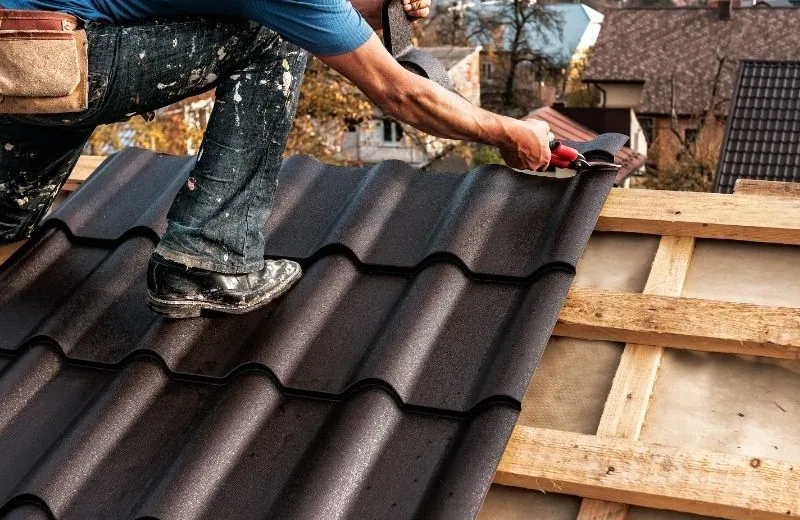
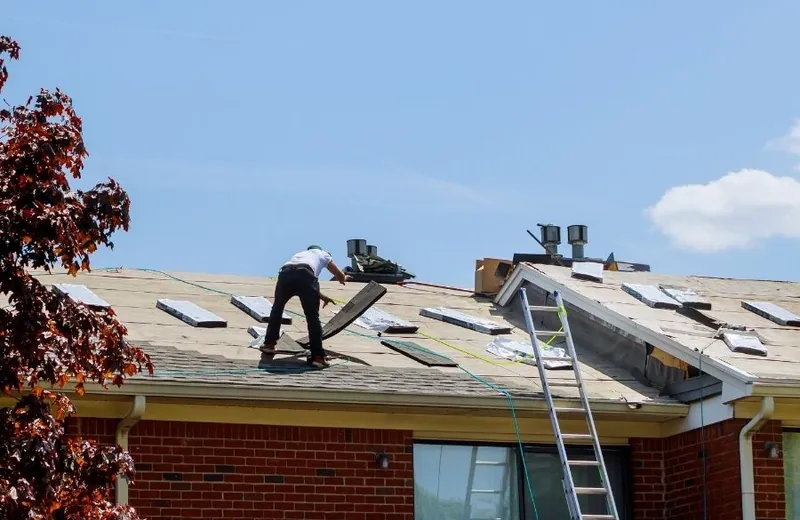
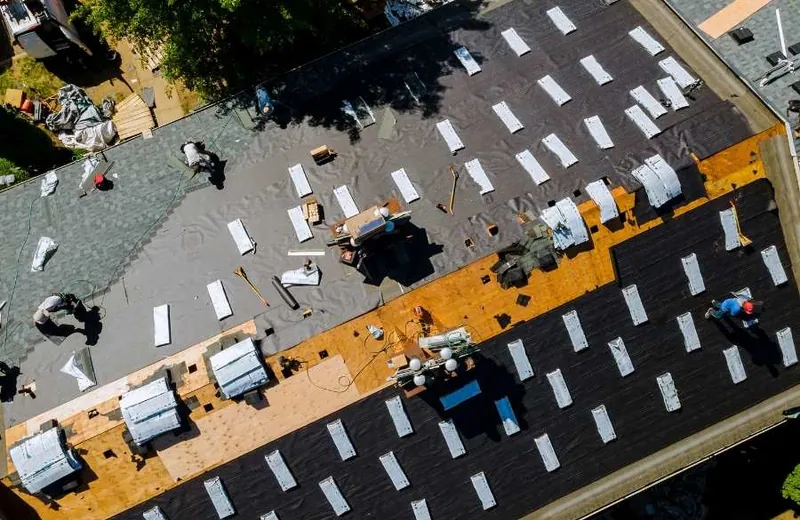
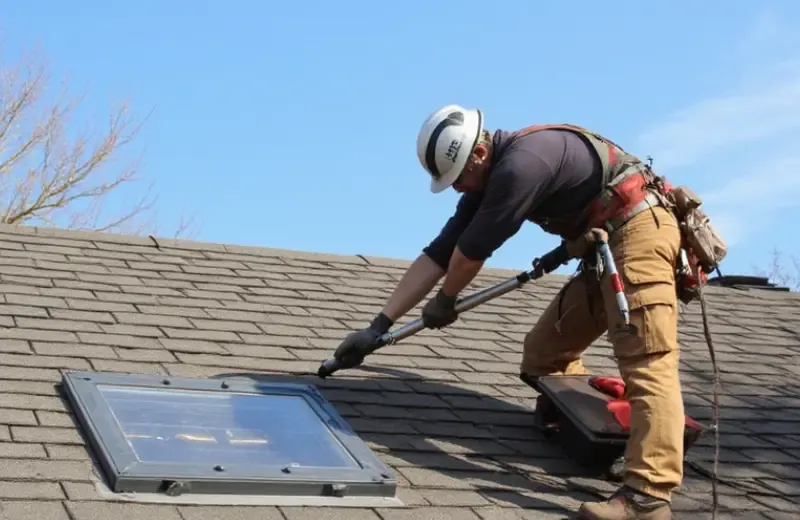
241 Boston Post Rd, Unit 2, Wayland, MA, 01778 Mon-Sun: 7:00 AM - 7:00 PM
(508) 682-5574
Call or text(508) 682-5574Schedule a Roof Inspection

Roofing Contractor in Wayland, MA Built for New England Winters and Wooded Lots

Wayland roofs have a hard job. Winters bring 45 to 55 inches of snow and dozens of freeze-thaw swings, and that's how ice dams push meltwater under shingles and into ceilings. Then there are the big oaks, maples and white pines on most lots. They shade roofs, feed moss, clog gutters and drop limbs every nor'easter. Wayland Roofing Group repairs and replaces roofs with all of that in mind. Every new roof gets ice and water barrier along the eaves and valleys. We also fix the flashing, ventilation and decking problems that shorten a roof's life.

Bonded and insured Ice and water barrier on every new roof's eaves and valleys We pull the building permit for you
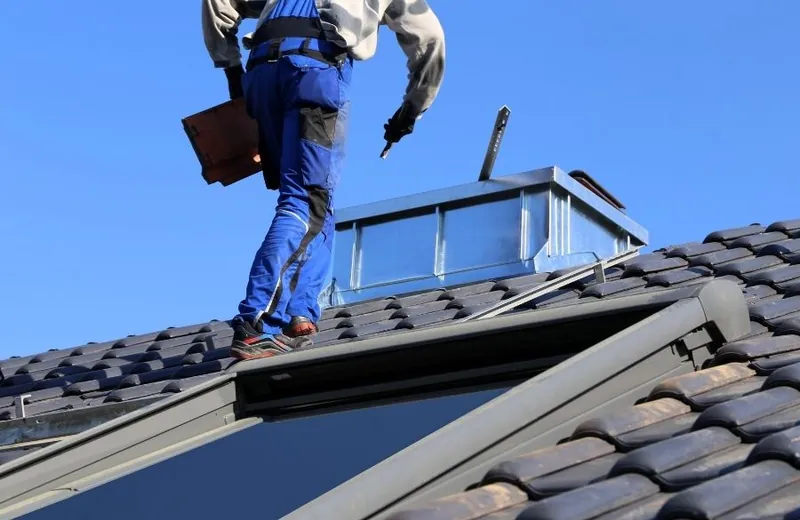
Wayland Roofing Group Roofing Contractor in Wayland, MA project in Wayland, MA (1)
WaylandMA
Bonded and insured
Ice and water barrier on every new roof's eaves and valleys
We pull the building permit for you
Detailed written proposals with clear decking pricing
Your local roofing team

Why homeowners choose Wayland Roofing Group

Much of our work is on 1950s–70s Capes and Colonials in Cochituate and North Wayland. We also work on antique farmhouses near Wayland Center, where chimneys and dormers need careful hand detailing. Our crews regularly serve Weston, Sudbury, Lincoln, Natick and Wellesley Hills, too. We replace asphalt and cedar roofs, install standing seam metal and remove ice dams. When attic ventilation is causing the problem, we upgrade it. Each job comes with a detailed written proposal, permit handling and a tidy cleanup at the end of every day.

What you can count on

  • Bonded and insured
  • Ice and water barrier on every new roof's eaves and valleys
  • We pull the building permit for you
  • Detailed written proposals with clear decking pricing
  • Daily job-site cleanup and magnetic nail sweeps
  • Financing available
  • Serving homes within 20 miles of Wayland
Local conditions

Why Wayland Homes Need a Roofer Who Knows MetroWest

A roof in Wayland isn't the same as one in coastal Boston, or even downtown Framingham. Inland snow totals, heavy tree cover, wetland humidity, aging housing and local historic districts all change how a roof should be built, repaired and permitted here.

01

Climate: Snow Load, Freeze-Thaw and Wetland Humidity

Wayland sits inland and a bit higher than Boston, so it usually picks up 45–55 inches of snow a year. January lows average in the mid-to-upper teens, and from December through March the temperature crosses 32°F over and over. Each of those swings can melt snow over a warm attic and refreeze it at a cold eave. That's how an ice dam forms. Nor'easters dump heavy, wet snow that strains older rafters and low-slope additions. Summer brings highs in the 80s, UV that bakes south-facing shingles, occasional hail and microbursts. Storms like Irene in 2011 lifted shingle tabs and brought down limbs all over town. The Sudbury River wetlands also keep shaded roofs damp. That feeds moss and Gloeocapsa magma algae streaks and speeds up rot in cedar and wood decking.

02

Built Environment: Mid-Century Capes, Antique Colonials and Complex Rooflines

Most Wayland homes went up between the 1950s and 1970s: Capes, Colonials, split-levels, raised ranches, and mid-century moderns with low-slope sections. Many of those houses are on their second or third asphalt roof. Some have layers stacked on each other over the original plank sheathing, and there's rarely any drip edge or ice shield underneath. Attics tend to be poorly insulated and poorly vented. Then you have the 18th- and 19th-century homes in Wayland Center, Cochituate and along Old Connecticut Path. Their masonry chimneys, dormers and porch roofs need detailed flashing. Nearby Weston, Lincoln and Dover add cedar, slate and copper. Closer to Boston, Victorians in Newton and Belmont come with box gutters and turrets.

03

Regulations: Permits, Ice Barrier Code and Historic Districts

Under the Massachusetts State Building Code (780 CMR), every town we serve requires a building permit for roof replacement. The code calls for an ice barrier from the eave edge to at least 24 inches inside the exterior wall line, and re-roofing is generally capped at two layers. Pre-1978 homes trigger EPA RRP lead-safe practices when we disturb painted fascia or soffits. Both the stretch energy code and the Specialized Opt-in Code can raise attic insulation standards. In the Wayland Center and Bow Road historic districts, a visible material change may need a Certificate from the Historic District Commission. Concord, Lexington and Sudbury have similar review. Residential roofers in Massachusetts also need HIC registration and a Construction Supervisor License, so verify both before you hire anyone.

04

Market: High-Value Homes and Once-a-Tenure Decisions

Median home values in Wayland are well over $1 million, and most homes are owner-occupied. Many owners replace a roof only once while they live there, so they research carefully and ask the neighbors. They want clear written estimates, clean job sites and materials that protect curb appeal. Solar is common under Massachusetts incentive programs, and a lot of homeowners replace an aging roof before the panels go up. Owners in Framingham, Waltham and Watertown are often landlords or condo associations, and they tend to weigh durability against budget more carefully.

What we see most

Common Roofing Problems in Wayland and MetroWest

Most of the leaks we're called to come from a short list of causes, and nearly all of them trace back to local conditions: freeze-thaw winters, heavy tree cover, aging mid-century construction and complex older rooflines. Here's what we see most often, why it happens here, and what to look for.

Emergency

Ice Dams and Ice Dam Leaks

What it is

An ice dam is a ridge of ice that builds up at the eave. Heat from the attic melts snow higher on the roof, and the meltwater refreezes when it reaches the cold overhang. Water then pools behind the ice and works its way up under the shingles.

Why it is common in Wayland

Wayland gets more snow than Boston and goes through dozens of freeze-thaw cycles each winter. That's the perfect setup for ice dams. The real problem is usually in the attic. Many 1950s–70s Capes and split-levels have thin insulation, unsealed top plates and no continuous soffit-to-ridge ventilation. Older roofs here often went on before ice-and-water shield was required, so nothing stops backed-up water once it gets under the shingles. Kneewall Capes are especially prone because the heated space sits right against the roof deck.

Signs you will notice

  • Thick icicles hanging from gutters and eaves
  • Ice ridge along the roof edge
  • Water stains on ceilings near exterior walls
  • Damp or peeling paint on interior window trim
  • Wet or sagging soffits
  • Snow melting off the upper roof while the eaves stay loaded

Wayland-specific patterns

Ice dams are most common on Capes in Cochituate and North Wayland and on raised ranches near Route 27. They also show up on antique homes near Wayland Center that have cathedral ceilings or finished attics. North-facing eaves under heavy pine shade tend to hold ice the longest.

Severity

Emergency. Act within 24 hours to stop further damage.

Typical solution

First we remove the ice with low-pressure steam, which won't damage shingles. Then we repair the wet decking and shingles, install code-compliant ice barrier and fix the ventilation and air leaks so the dams stop coming back.

Serious

Chimney Flashing Failure

What it is

Chimney flashing is the metal that seals the joint where the roof meets masonry. It includes step flashing, counter-flashing and the cricket on the uphill side. When the mortar joints crack or the metal pulls loose, water runs down the inside of the chimney chase.

Why it is common in Wayland

Most Wayland homes have at least one masonry fireplace chimney, and plenty of antique Colonials have two or three. Freeze-thaw cycles crack mortar and loosen reglets. On top of that, many chimneys were 'fixed' years ago with roofing tar and never properly re-flashed. Wide chimneys without a cricket trap snow and debris on the uphill side, and that's where leaks usually start. Thermal movement between brick and wood framing slowly opens up the old seams.

Signs you will notice

  • Stains on the ceiling or wall beside the chimney
  • Water in the firebox or damper area
  • Cracked or missing mortar at the flashing line
  • Thick tar or caulk smeared on the flashing
  • Rusted or lifted metal
  • Musty smell near the fireplace

Wayland-specific patterns

We find these leaks most often on 18th- and 19th-century farmhouses along Old Connecticut Path and in Wayland Center. Center-chimney Colonials in Sudbury Center and Lincoln Center are prone to them, as are older Belmont Hill homes with tall brick stacks.

Severity

Serious. Schedule a repair within 1–2 weeks.

Typical solution

We put in new step and counter-flashing cut into the mortar joints, in aluminum, lead-coated or copper. Wide chimneys get a cricket, and we finish by sealing the joint so it can move without opening up.

Emergency

Storm and Tree Damage

What it is

This is damage from falling limbs, entire trees and high winds. It ranges from shingle tabs that lift and crease to punctured decking and broken rafters, which can leave the inside of the house open to rain.

Why it is common in Wayland

Wayland and its neighbors are covered in mature oak, maple and white pine, and lots of those trees hang right over the roof. Nor'easters load the branches with wet snow, and summer microbursts snap them without warning. Remnants of tropical storms like Irene brought down limbs all over MetroWest. Even branches that never fall still rub against shingles in the wind and grind off the protective granules.

Signs you will notice

  • Missing, creased or lifted shingles
  • Branches resting on the roof
  • Dented gutters or metal flashing
  • Granules piled up at downspouts
  • Daylight showing through attic boards
  • Sudden ceiling drips after a storm

Wayland-specific patterns

Large wooded lots in North Wayland, Happy Hollow and Weston Center see the most limb strikes. So do the wooded streets around Dover Center and South Natick. Damage tends to come after October and March nor'easters.

Severity

Emergency. Act within 24 hours to stop further damage.

Typical solution

We tarp the opening right away and photograph everything for your insurance claim. Then we replace the damaged decking or framing and finish with matching shingles or a section rebuild.

Moderate

Moss, Algae and Shade-Driven Wear

What it is

Moss holds water against the shingles and lifts their edges, which lets water get underneath. Black streaking comes from Gloeocapsa magma algae, which feeds on limestone filler in the shingles. Both thrive on roofs that stay shaded and damp.

Why it is common in Wayland

Wayland's heavy tree canopy and the humid Sudbury River wetlands keep north-facing slopes wet for days after rain. Leaf litter collects in the valleys and behind chimneys and turns into compost right on the roof. Shaded asphalt slopes here can wear out years before the sunny side does. Cedar roofs under trees can rot well before their expected service life.

Signs you will notice

  • Green moss mats along shingle edges
  • Black vertical streaks on north slopes
  • Shingles curling or lifting near moss
  • Debris packed in valleys
  • Soft or spongy spots underfoot
  • Granules washing into the gutters

Wayland-specific patterns

Moss and algae show up mostly on homes backing onto conservation land in Wayland and Sudbury. Cedar roofs in Lincoln and Weston are hit hard, as are pine-shaded Capes near the Wayland–Natick line.

Severity

Moderate. Address within the next few months.

Typical solution

We do a gentle soft-wash treatment and clear the debris. Then we add zinc or copper strips, replace damaged shingles, and suggest algae-resistant shingles when it's time to replace.

Serious

Hidden Rotted Decking and Stacked Layers

What it is

These are problems you can't see until the old roof comes off. Plank sheathing may be rotted or cracked, there may be two or three old shingle layers, and there's often no drip edge or ice shield at all. Sometimes the rafters on a later addition are undersized.

Why it is common in Wayland

Many 1960s–70s Wayland homes are on their second or third roof, and earlier contractors often layered new shingles over old ones. The original board sheathing has spaced gaps and has been through decades of ice-dam moisture. Additions from the 1980s sometimes used lighter framing. Every one of these problems stays hidden until tear-off. That's why surprise change orders are such a common complaint in MetroWest.

Signs you will notice

  • Wavy or dipping roof lines
  • Soft spots when walking the roof
  • Thick, stepped shingle edges at the eaves
  • No metal drip edge visible
  • Daylight or stains on attic boards
  • Sagging over porches or additions

Wayland-specific patterns

We see this all the time on 1950s–70s ranches and Capes in Cochituate and on Framingham tract homes in Saxonville. It's also common on post-war houses near Route 9 in Natick.

Severity

Serious. Schedule a repair within 1–2 weeks.

Typical solution

Full tear-off to the rafters, then new plywood where the planks are compromised, new drip edge and ice barrier. Your proposal states the per-sheet decking price before we start.

Moderate

Skylight and Step-Wall Leaks

What it is

These leaks start where the roof meets a skylight curb, dormer wall or sidewall. The cause is usually failed step flashing, cracked seals or condensation from an old skylight unit.

Why it is common in Wayland

Mid-century moderns and remodeled Capes in Wayland and Lincoln often have skylights from the 1970s–90s that have outlived their seals. Dormers, step walls and valleys are where water collects, and snow piles against the uphill curbs for weeks every winter. A lot of older installs used a single continuous piece of flashing where step flashing should have gone, and caulk was expected to do the rest.

Signs you will notice

  • Drips or stains around the skylight frame
  • Fogging between the panes
  • Peeling paint on dormer walls
  • Rotted trim at the bottom of the sidewalls
  • Water spots that show up only during wind-driven rain

Wayland-specific patterns

These leaks are common in Lincoln and Wayland mid-century moderns and in dormered Capes in North Wayland. Victorians in Newton Highlands and Auburndale have them too, around their turrets and dormers.

Severity

Moderate. Address within the next few months.

Typical solution

We re-flash with proper step and counter-flashing and install a manufacturer flashing kit. When the old unit has failed, we replace the skylight along with the surrounding shingles.

Minor

Failing Low-Slope Porch and Addition Roofs

What it is

Low-slope sections include porch roofs, dormer tops, garage connectors and flat additions. Many were covered with roll roofing or older EPDM. These roofs shed water slowly, so seams, flashing and drainage have to be done right.

Why it is common in Wayland

Wayland and Lincoln have a lot of mid-century moderns with flat or low-slope roofs. Many Colonials also have porches and family-room additions roofed in roll roofing that only lasts 10–15 years. Heavy wet snow stays on these sections longest, and ice blocks the scuppers and gutters. That lets water pond and get into seams that are already brittle.

Signs you will notice

  • Ponding water 48 hours after rain
  • Blistered or cracked roll roofing
  • Separated EPDM seams
  • Stains on porch ceilings
  • Rotted fascia under the low edge

Wayland-specific patterns

We see these on Techbuilt-style moderns in Wayland and Lincoln, on porch roofs of antique homes near Wayland Center, and on two-family homes in Watertown and Waltham with flat rear sections.

Severity

Minor. Preventable with routine maintenance.

Typical solution

Seams that are still sound can be patched or coated. A worn-out section gets replaced with fully adhered EPDM or TPO, along with tapered insulation and proper edge metal.

Services

Roofing Services for Wayland Homes and Businesses

We handle everything from single-shingle patches to full roof systems on antique homes. The services below are grouped the way homeowners usually need them. Each one is built around what MetroWest roofs go through: snow load, ice, shade, storms, and the details older homes need.

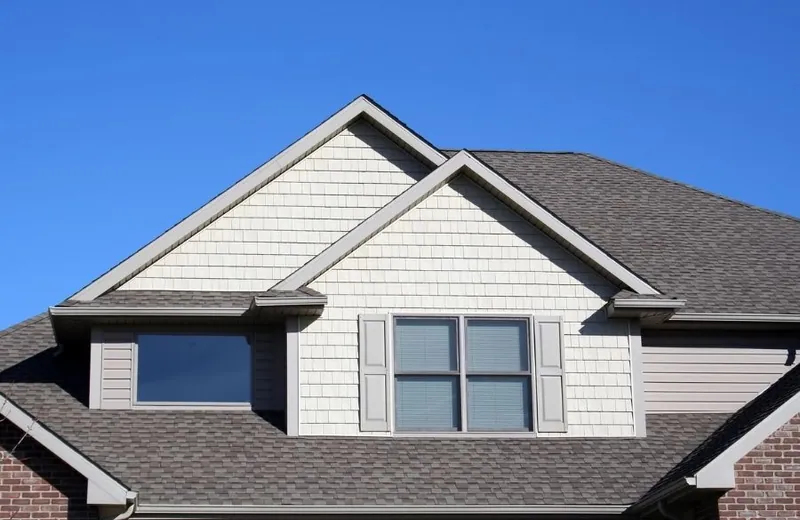
Wayland Roofing Group Roofing Contractor in Wayland, MA project in Wayland, MA (3)
Specialty

Roof Replacement & Asphalt Shingle Installation

What we do

We do full tear-off and replacement with architectural shingles, or 3-tab where a budget or condo association calls for it. That covers new installs, winter roof replacement when needed, and drip edge, ventilation and soffit and fascia work done in the same project.

Methods & approach

We strip to the deck and replace bad planks with plywood. Ice and water barrier goes along every eave and valley, followed by synthetic underlayment, new drip edge, and balanced intake and ridge ventilation. Cold-weather installs get hand-sealed tabs.

Wayland application

This is the standard upgrade for Wayland's 1950s–70s Capes and Colonials that are on their second or third layer. We help with HOA color approvals in Framingham, Natick and Sudbury condo communities, and we build solar-ready roofs for homeowners who plan to add panels.

Best for

Roofs 20 or more years old, homes with stacked layers or recurring ice dams, and owners preparing for solar or a sale who want a clean, code-compliant system.

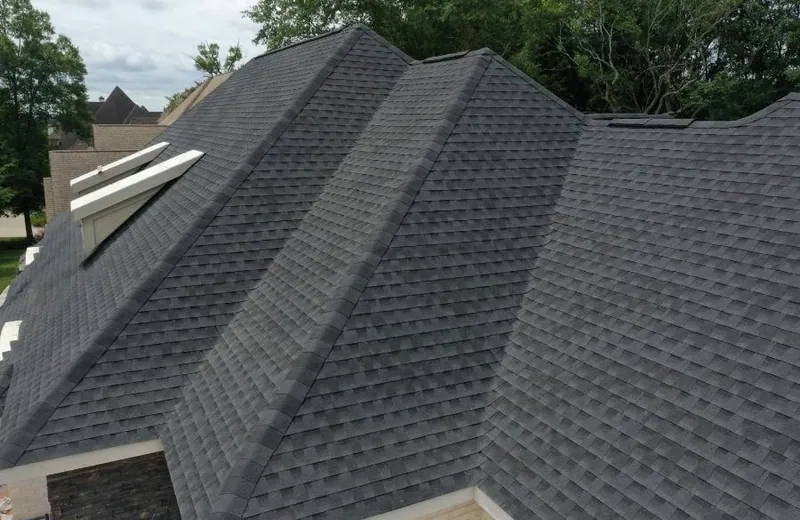
Wayland Roofing Group Roofing Contractor in Wayland, MA project in Wayland, MA (4)
Specialty

Ice Dam Removal & Winter Leak Repair

What we do

Professional ice dam removal, roof snow removal, gutter ice removal, ice dam leak repair, repair of water damage from ice dams, winter roof leak repair, and installation of roof heat cable or tape where it makes sense.

Methods & approach

We cut channels and clear dams with low-pressure steam. We never use chisels or rock salt. Snow comes off with roof rakes and shovels, leaving a protective layer on the shingles. After that we diagnose the attic air leaks and ventilation behind the problem.

Wayland application

Ice dams are Wayland's number-one winter roofing emergency. Kneewall Capes in Cochituate, antiques with finished attics near Wayland Center, and long north eaves under pine shade need both the ice removed now and a permanent fix afterward.

Best for

Homeowners who see icicles, ceiling stains or wet soffits in January and February, and anyone who's tired of fighting ice dams every winter.

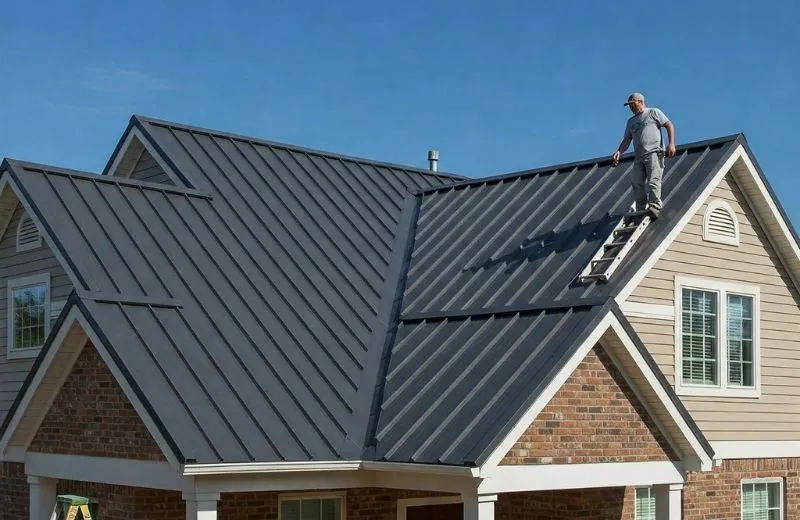
Wayland Roofing Group Roofing Contractor in Wayland, MA project in Wayland, MA (5)

Roof Repair, Leak Detection & Patching

What we do

Roof repair, roof shingle repair, roof patching, roof damage repair, and roof leak detection and repair for asphalt, cedar, slate and metal roofs.

Methods & approach

We trace leaks from the attic side and the roof side, using water testing when needed. We fix the source, whether that's flashing, a nail pop or a cracked boot, and match the existing shingles as closely as we can.

Wayland application

Many of the leaks we chase in MetroWest come from complex rooflines: dormers, valleys and old patches on 70-year-old homes. Finding the true entry point saves Wayland homeowners from paying for a roof they don't need yet.

Best for

Roofs with plenty of life left that have one leak, storm damage or a few missing shingles.

Wayland Roofing Group Roofing Contractor in Wayland, MA project in Wayland, MA (6)

Flashing & Chimney Leak Repair

What we do

Chimney flashing repair, chimney leak repair, roof flashing, drip edge flashing, steel roof flashing, flashing for metal roofs, and skylight leak repair.

Methods & approach

We use step and counter-flashing cut into the mortar joints, crickets behind wide chimneys, and kick-out flashing at the sidewalls. Material is aluminum, steel, lead-coated or copper to suit the house. Tar is only a stopgap, never the fix.

Wayland application

Masonry chimneys on antique Colonials along Old Connecticut Path and in Sudbury Center are some of the most common leak sources we see. Skylights on Lincoln and Wayland mid-century moderns are close behind.

Best for

Leaks next to chimneys, skylights, dormers or walls, and any roof where tar has been used in place of proper metal.

Wayland Roofing Group Roofing Contractor in Wayland, MA project in Wayland, MA (7)

Standing Seam & Residential Metal Roofing

What we do

Metal roof installation, standing seam metal roofs, residential metal roofing, steel roofing, corrugated metal for barns and outbuildings, and metal roof repair.

Methods & approach

We install concealed-fastener standing seam over high-temperature underlayment with snow guards. Exposed-fastener corrugated panels go on outbuildings. Repairs cover fastener replacement, seam sealing and new trim.

Wayland application

Metal sheds snow and resists ice dams. It also makes a good base for solar. Wayland homeowners use it on whole roofs, low-slope porches and bay accents, and corrugated panels show up on barns in Lincoln, Dover and Sudbury.

Best for

Owners who want a 40-plus-year roof, homes with chronic ice dams, and porch or bay accents.

Wayland Roofing Group Roofing Contractor in Wayland, MA project in Wayland, MA (8)

Cedar, Slate, Tile & Copper Roofing

What we do

Cedar shake roofing, slate roof installation, tile roofing, copper roofing, and copper flashing and bay roofs for premium and historic homes.

Methods & approach

We install cedar over breathable underlayment so it can dry out. Slate is hung with copper nails and hooks, and copper is formed and soldered. We repair what can be saved before we suggest replacement.

Wayland application

Cedar is common in Weston, Lincoln and Dover. Slate is found on older homes in Wellesley, Newton, Belmont and Concord. Historic district homes in Wayland Center and Concord often need like-for-like materials to get commission approval.

Best for

Historic and high-end homes where the material is part of the home's character and value.

Wayland Roofing Group Roofing Contractor in Wayland, MA project in Wayland, MA (9)

Flat Roofing: EPDM, TPO & Commercial Roofing

What we do

Flat roof repair and replacement, EPDM rubber roofing, TPO roofing, commercial roofing and commercial roof repair for small buildings.

Methods & approach

We install fully adhered membranes with tapered insulation for drainage, along with proper edge metal and seam testing. Small commercial roofs get scheduled maintenance plans.

Wayland application

This covers mid-century modern flat roofs in Wayland and Lincoln, porch and addition roofs across MetroWest, and the flat rear sections common on Waltham and Watertown multifamily homes.

Best for

Low-slope sections, ponding problems and small commercial or mixed-use buildings.

Wayland Roofing Group Roofing Contractor in Wayland, MA project in Wayland, MA (10)

Emergency Roof Repair & Tarping

What we do

Emergency roof repair, emergency roof tarping and roof tarp installation after tree strikes, wind damage or sudden leaks.

Methods & approach

We anchor heavy-duty tarps over battens without cutting into good roofing, and we take photos and notes for your insurance claim.

Wayland application

Nor'easters and summer microbursts drop limbs on roofs in North Wayland, Weston and Dover. Getting a tarp on fast protects the ceilings, insulation and finishes inside.

Best for

Open roofs, active leaks during storms and tree damage.

Wayland Roofing Group Roofing Contractor in Wayland, MA project in Wayland, MA (11)

Inspection, Maintenance, Restoration & Coatings

What we do

Roof inspection, roof maintenance, roof restoration, roof waterproofing and roof coating application.

Methods & approach

Inspections include photo-documented reports covering the decking, flashing, ventilation and attic. Maintenance means clearing debris, resealing boots and doing moss treatment. Coatings are used to restore suitable flat and metal roofs.

Wayland application

These services suit pre-listing and pre-purchase checks on high-value Wayland homes, post-storm inspections, and fall tune-ups before the snow arrives on tree-shaded roofs.

Best for

Buyers, sellers, solar planners, and owners who want to stretch the life of their current roof.

Wayland Roofing Group Roofing Contractor in Wayland, MA project in Wayland, MA (12)

Ventilation, Gutter Guards, Soffit & Fascia

What we do

Roof ventilation installation, gutter guard installation, and soffit and fascia installation.

Methods & approach

We balance soffit intake with ridge exhaust and add baffles to keep insulation from blocking airflow. Gutter guards are stainless micro-mesh. Rotted wood is replaced with low-maintenance material, following lead-safe practices on pre-1978 homes.

Wayland application

Poor ventilation drives ice dams and cooks shingles in Wayland's older homes. Oak and pine debris clogs gutters on wooded lots every fall.

Best for

Homes with ice dams, hot attics, rotted trim or gutters that are constantly clogged.

How it works

How a Wayland Roofing Group Project Works

No surprises, no guesswork. Here's how a typical repair or replacement goes, from the first visit to the final nail sweep. We build in local steps like permits and historic review from the start.

  1. 1
    Step 1

    Inspection and Diagnosis

    Usually scheduled within a few days; emergencies prioritized

    What happens

    • Roof walk-through with photos of the shingles, flashing and penetrations
    • Attic check of the ventilation, insulation and decking condition
    • Leak tracing from inside the house when there's active water
    • A walk around the property with you to talk through your options

    Wayland considerations

    • On wooded lots, we look at the overhanging limbs and how shaded the roof is. Pre-1978 homes get flagged for lead-safe trim work.
  2. 2
    Step 2

    Detailed Written Proposal

    Typically within a few days of the inspection

    What happens

    • Line-item scope listing materials, underlayment, ice barrier and ventilation
    • Per-sheet decking replacement price stated up front
    • Material and color options, including HOA-approved lines where they apply
    • Financing options explained if you want them

    Wayland considerations

    • Since tear-off on 1950s–70s homes often uncovers plank rot, we price decking up front. That way you don't get a surprise change order later.
  3. 3
    Step 3

    Permits and Approvals

    Varies by town; historic review can add several weeks

    What happens

    • We file the building permit with the local Building Department
    • We help prepare Historic District Commission paperwork when it's needed
    • We coordinate dumpster placement and any street-occupancy permits
    • Installation is scheduled in our April–November window when possible

    Wayland considerations

    • Material changes in the Wayland Center or Bow Road districts, in Concord, or in Lexington may need commission approval before work can begin.
  4. 4
    Step 4

    Installation

    Most homes 1–3 days; slate, cedar and metal longer

    What happens

    • Landscaping, siding and driveways protected with tarps and plywood
    • Tear-off and deck repair, then ice and water barrier along the eaves and valleys
    • Flashing, drip edge, ventilation and roofing installed
    • Debris cleared and the site tidied at the end of each day

    Wayland considerations

    • On narrow lots in Watertown, Arlington and Belmont, we plan the dumpster and lift placement ahead of time.
  5. 5
    Step 5

    Final Walk-Through and Cleanup

    Last day of the project

    What happens

    • Magnetic nail sweep of the lawn, beds and driveway
    • Final inspection with you and photo documentation
    • Building inspector sign-off coordinated
    • Care and maintenance tips for shaded or wooded roofs
The difference

Why Wayland Homeowners Choose Wayland Roofing Group

01

We Build Roofs for MetroWest Winters, Not Mild Climates

Every new roof we install gets ice and water barrier along the eaves and valleys. That's the code minimum of 24 inches past the wall line, and we often go further on low-pitch Capes. We pair it with balanced intake and ridge ventilation, so the attic stays cold and snow melts evenly instead of refreezing at the eaves. With 45–55 inches of snow and constant freeze-thaw, these details make the difference between a roof that lasts and one that leaks every February. If your current roof doesn't have them, we'll show you where they're missing.

02

Bonded and Insured for Your Protection

Roofing is high-risk work on high-value homes. We're bonded and insured, so you're protected if something goes wrong on the job. We encourage every homeowner to check credentials before signing with anyone. In Massachusetts, that means asking any roofer for their Home Improvement Contractor registration, Construction Supervisor License and proof of insurance. After big storms, out-of-state crews show up in MetroWest knocking on doors. Choosing an established local company means you'll be able to reach the people who did the work.

03

Detail Work on Antique and Colonial Homes

Many Wayland homes have more than one masonry chimney, steep dormers, and porch roofs tied into old walls. These spots are where leaks start, and where fast crews cut corners. We cut counter-flashing into the mortar joints, build crickets behind wide chimneys and step-flash every course along sidewalls. On historic homes near Wayland Center, Cochituate and Old Connecticut Path, we respect the original lines and trim, and we can help with Historic District Commission paperwork when a material change is planned.

04

Transparent Pricing, Including Decking

Tear-off on a 1960s Cape often uncovers rotted plank sheathing or two old layers. The usual result is a surprise bill. Our detailed proposals list materials, ventilation, flashing and ice barrier line by line, and they state the per-sheet decking price before we start. If we find damage, we show you photos before replacing anything. You'll know what you're paying for and why. That matters when you're making a decision you'll probably only make once while you own the house.

05

Premium Materials Done Right

Weston, Lincoln, Dover, Wellesley and Concord are full of cedar, slate, copper and standing seam metal. Those materials need different skills than a standard asphalt job. We install cedar so it can breathe in damp, shaded conditions. We repair slate with copper hooks instead of replacing what can be saved, and we form copper flashing and bay roofs to last. When you're investing in a long-life material, the installation has to last just as long.

06

Fast Response When Storms or Ice Hit

Fallen limbs, wind-lifted shingles and ice-dam leaks can't wait for spring. We do emergency tarping, steam ice dam removal and roof snow removal to stop the damage quickly, and we document everything with photos for your insurance claim. Once the weather settles, we come back to make the permanent repair. That includes fixing the attic ventilation or insulation that caused the ice dam in the first place.

07

Clean Job Sites and Easy Financing

We protect your shrubs, gardens and driveway with tarps and plywood. Debris is cleared at the end of every day, and we do a magnetic nail sweep before we leave. Permit handling is included, so you don't have to deal with the Building Department. If replacing your roof before solar, a sale or another winter is more than you'd planned to spend at once, financing is available to spread out the cost.

Service area

Roofing Service Areas Around Wayland

We're based in Wayland and work within about 20 miles, across MetroWest and the inner Route 128 suburbs. From antique farmhouses to Victorian two-families, we know the housing styles, the permit offices and the weather in every town we serve.

Wayland and Neighboring Towns

  • Wayland, MAWayland Center, Cochituate, North Wayland and Happy Hollow, from mid-century Capes to historic district homes
  • Sudbury, MALarge Colonials and historic homes around Sudbury Center and the Wayside Inn area
  • Weston, MAEstate homes near Weston Center with cedar, slate and copper
  • Lincoln, MAMid-century moderns and farmhouses around Lincoln Center
  • Natick, MASouth Natick antiques and Route 9-area ranches
  • Framingham, MASaxonville tract homes and HOA condo communities

Wellesley, Dover and Route 128 South

  • Wellesley, MAOlder slate and cedar homes
  • Wellesley Hills, MASteep Colonials and Tudors under mature trees
  • Dover, MAWooded estates around Dover Center
  • Needham, MAPost-war Capes and new construction
  • Newton, MAVictorians in Auburndale and Newton Highlands

Concord, Lexington and Inner Suburbs

  • Concord, MAStrict historic districts and West Concord neighborhoods
  • Lexington, MAMid-century moderns and East Lexington Colonials
  • Bedford, MA1950s–70s split-levels and Colonials
  • Waltham, MATwo-families and flat-roof sections
  • Watertown, MADense lots needing careful staging
  • Belmont, MABelmont Hill slate and brick chimneys
  • Arlington, MAVictorians and two-families on narrow streets

Not sure if we serve your area? Call (508) 682-5574 and we will tell you right away.

Pricing

What Does a Roof Cost in Wayland, MA?

Roofing prices in MetroWest depend on the roof's size and complexity, what's hiding under the old shingles, and the material you choose. These are realistic ranges for our area. Your written proposal will spell out your exact scope.

What affects the price

  1. 1. Roof Size, Pitch and Complexity Primary Factor factor

    Cost is measured in roofing squares (100 sq ft each). A simple 1960s ranch might be 18–22 squares. A large Weston Colonial with dormers, valleys and a turret can top 45. Steep pitches need staging and slow the crew down. Every chimney, skylight, valley and wall junction adds flashing labor. Two homes with the same square footage can come in thousands of dollars apart because of complexity alone.

  2. 2. Roofing Material Primary Factor factor

    Architectural asphalt shingles are the most economical choice and the standard replacement around here. Standing seam metal typically costs two to three times as much as asphalt, but it can last twice as long and sheds snow. Cedar costs more than asphalt and needs to be able to breathe in shady, damp conditions. Natural slate and copper are the premium end, and they're often required on historic homes in Wayland Center or Concord.

  3. 3. Tear-Off Layers and Decking Condition Major Factor factor

    Removing two or three old layers costs more in labor and disposal than a single layer. On 1950s–70s homes, plank sheathing often turns out to be rotted, gapped or damaged by past ice dams. Replacing it with plywood is priced per sheet. A roof that needs only a few sheets costs far less than one needing full re-decking, which is why we list that price up front.

  4. 4. Ventilation, Ice Barrier and Code Upgrades Moderate Factor factor

    Ice and water barrier at the eaves and valleys, new drip edge, ridge vents and soffit intake are part of every proper replacement. Older homes may also need added baffles or air sealing, and stretch code requirements can kick in on larger projects. These upgrades add cost, but they're what prevents ice dams and lets shingles reach their rated life.

  5. 5. Access, Permits and Historic Review Moderate Factor factor

    Tight lots in Watertown, Arlington and Belmont can require street-occupancy permits and extra handling. Wooded lots may need limb clearance. Lead-safe practices on pre-1978 trim add time. Historic district reviews add paperwork, and sometimes they require specific materials.

Typical Wayland projects

Ranch or Cape asphalt replacement

1960s Cochituate Cape, about 20 squares, one-layer tear-off, a few sheets of decking, ice barrier, ridge vent

$14,000 – $24,000

Large Colonial architectural shingle replacement

Sudbury or Weston Colonial, 35–45 squares, two layers, multiple valleys, chimney re-flashing

$28,000 – $50,000

Standing seam metal roof

Wayland Cape or Colonial, 20–30 squares, full tear-off, snow guards, new flashing

$45,000 – $90,000

Ice dam steam removal and leak repair

Steam removal along eaves, followed by shingle and flashing repair at the leak area

$800 – $4,500

Financing available. Financing is available, so you can replace a failing roof now without waiting another winter. Ask about options when we deliver your proposal.

Investment perspective. In a market where homes are worth well over $1 million, a properly vented, ice-shielded roof protects your ceilings, insulation and resale value. It also gives solar panels a sound base for decades.

Schedule Free Inspection
Questions

Roofing Questions from Wayland Homeowners

How much does a new roof cost in Wayland, MA?

Most architectural asphalt shingle replacements on Wayland Capes and ranches land between about $14,000 and $24,000. Larger Colonials in Sudbury or Weston often run $28,000 to $50,000. Standing seam metal, cedar and slate cost significantly more. The biggest swing factors are roof size, pitch, the number of chimneys, skylights and valleys, how many old layers have to come off, and whether the plank decking needs replacing. Your detailed proposal lists every item and the per-sheet decking price, so you know the realistic total before we start. Financing is available if you'd like to spread out the cost.

How long does a roof replacement take?

Most asphalt replacements on single-family homes take one to three days on site once we start. Larger or more complex roofs, and cedar, slate and standing seam metal installs, can take a week or more. The full timeline from proposal to finish also includes permitting, which varies by town, and historic district review in places like Wayland Center or Concord can add several weeks. Our main installation season is April through November, so if you're planning a spring or summer replacement, it helps to reach out early.

Do I need a permit to replace my roof in Wayland?

Yes. Under the Massachusetts State Building Code (780 CMR), every town we serve requires a building permit for roof replacement, and we handle the application for you. The code also requires an ice barrier extending at least 24 inches inside the exterior wall line, and it generally limits re-roofing to two layers. If your home is in the Wayland Center or Bow Road historic district and you're changing materials in a way that's visible from the street, you may also need a certificate from the Historic District Commission. We'll let you know if that applies.

Can you replace a roof in winter?

Yes, when it's needed. A failing roof or serious storm damage shouldn't sit until April. The challenge is that asphalt shingle self-seal strips need warmth to bond. On cold-weather installs, we hand-seal the tabs, watch the temperatures closely and work in sections so the house is never left open. For non-urgent replacements, we usually recommend scheduling between April and November. In the meantime, emergency tarping or a targeted repair can get you through the winter.

How do I prevent ice dams from coming back?

Ice dams come from heat leaking into the attic, so the long-term fix is under the roof, not just on it. That means sealing air leaks around light fixtures, chimneys and top plates, adding insulation, and balancing soffit intake with ridge exhaust so the roof deck stays cold. On any replacement, we install ice and water barrier along the eaves and valleys as a backup. Heat cable can help on problem eaves. Raking snow off the lower three to four feet of the roof after big storms helps too, as long as you don't scrape the shingles.

When should I call a roofer instead of waiting?

Call right away if water is coming through a ceiling, ice is building at the eaves with stains appearing inside, or a limb has hit the roof. Don't wait either if shingles are missing after a storm or you can see daylight in the attic. Schedule an inspection soon if your asphalt roof is 20 or more years old, shows heavy moss or curling, or has granules piling up at the downspouts. Small flashing leaks turn into rotted decking and moldy insulation surprisingly quickly in Wayland's damp, shaded conditions.

Should I choose asphalt or standing seam metal?

Architectural asphalt is the most cost-effective choice and fits nearly every home style. With proper ventilation, it gives you decades of service. Standing seam metal costs more upfront, but it sheds snow, resists ice dams and can last 40 years or more. It also works well under solar panels. In Wayland, metal makes a lot of sense on homes with chronic ice dams or low-slope porches, and for owners planning to stay long-term. Asphalt usually wins on budget and HOA compatibility. In historic districts, the commission may prefer a traditional look.

Will you help with an insurance claim after storm damage?

Yes. After tree strikes, wind or hail, we tarp the roof to prevent further damage. We then photograph and document the condition of the shingles, decking and flashing so you have clear evidence for your adjuster. We'll provide a detailed written repair or replacement scope as well. Be cautious with out-of-town storm chasers who show up after nor'easters. Choose a local, bonded and insured contractor, and verify their Massachusetts HIC registration and Construction Supervisor License before you sign anything.
Get Your Wayland Roof Inspected Before the Next Storm

Whether it's an ice dam leak, a chimney stain or a 25-year-old roof under heavy pines, we'll show you exactly what's going on and give you an honest, detailed plan to fix it. Active leak, ice dam or tree on the roof? Call now for emergency tarping, steam ice dam removal and storm damage repair.

Call now(508) 682-5574Online schedulingBook a time that works
Office241 Boston Post Rd, Unit 2, Wayland, MA, 01778
HoursMon-Sun: 7:00 AM - 7:00 PM

Get your free quote

Your information is never shared.
Call Schedule